

Advanced Medical Care at Specialist Hospitals in Germany
Access established university hospitals, specialist clinics and rehabilitation centres across Germany for complex medical conditions, advanced surgery, cancer care, orthopaedics, neurology, urology and rehabilitation.
Trusted By International Patients For Consistent Medical Care

Advanced Specialist Hospitals
Germany has university hospitals and focused specialist centres offering multidisciplinary care for complex medical, surgical and oncological conditions.
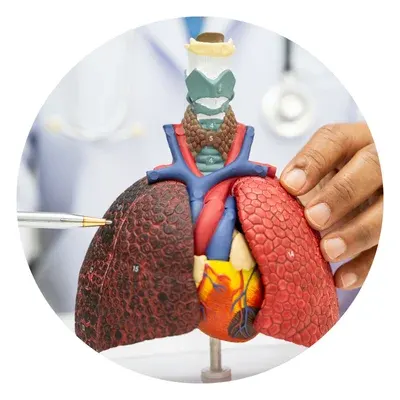
Complex & Multidisciplinary Care
Patient with difficult diagnoses can access coordinated assessment across oncology, neurology, surgery, internal medicine and other medical specialties.

Advanced Treatment Options
Selected German centres provide advanced services including proton therapy, carbon-ion therapy, reconstructive surgery, cellular therapy and complex rehabilitation.

International Patient Coordination
Emerge Medical Travel helps international patients identify suitable medical pathways, submit records and coordinate with hospitals before travelling to Germany.

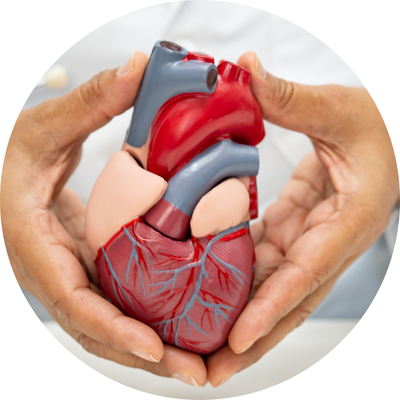
Why Germany Is a Preferred Destination for Medical Treatment
- Advanced University Hospitals German university hospitals including Freiburg, Essen, Charité Berlin, Heidelberg and Ulm provide multidisciplinary care across cancer, neurology, surgery, hematology and other specialties.
- Specialist Medical Centres Alongside large hospitals, Germany has focused facilities specialising in areas such as orthopaedics, urology, spinal surgery, outpatient internal medicine and neurological rehabilitation.
- Advanced Oncology Services Selected German centres provide complex cancer treatment pathways, multidisciplinary tumour review, hematology, stem cell transplantation and assessment for advanced radiation techniques.
- Specialist Orthopaedic Care Hospitals and specialist networks provide treatment for hip, knee, shoulder, foot, ankle, sports injuries, spinal disorders and joint replacement.
Medical Treatments Available in Germany

Cancer Treatment
Germany’s major university hospitals offer multidisciplinary care for solid tumours and blood cancers, including medical and radiation oncology, cancer surgery, hematology, stem cell transplantation, tumour boards, and specialist second opinions. Key centres include Freiburg, Essen, Charité Berlin, Heidelberg, Ulm, and Christliches Klinikum Paderborn.

Orthopaedic & Spine Treatment
Specialist German hospitals offer comprehensive conservative and surgical care for musculoskeletal conditions, including hip and knee disorders, joint replacement, sports injuries, shoulder and elbow conditions, foot and ankle surgery, spine disorders, scoliosis, and arthroscopic procedures. Notable providers include Schön Klinik München Harlaching, OZA Augsburg, and Eifelklinik St. Brigida.
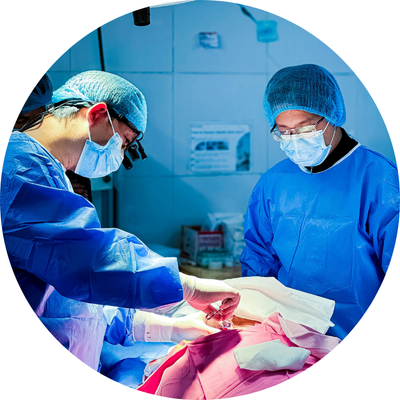
Neurology & Neurosurgery
Germany’s university hospitals provide specialist assessment and treatment for complex neurological and neurosurgical conditions, including epilepsy, multiple sclerosis, Parkinson’s disease, neuromuscular disorders, myasthenia, stroke-related complications, neuro-oncology, and complex neurological diagnoses. Relevant centres include Freiburg, Charité Berlin, Essen, and Ulm.

Urology Treatment
Specialist urological centres in Germany provide comprehensive assessment and treatment for urinary tract and male reproductive conditions, including prostate, bladder, kidney and testicular cancers, benign prostate enlargement, urinary stones, incontinence, pelvic floor disorders, urethral reconstruction and reconstructive urological surgery. Urologische Klinik München Planegg is among the specialist providers featured in the hospital guide.
Proton & Particle Therapy
Selected patients may be assessed for advanced radiation therapies at specialist German centres. University Hospital Essen offers proton therapy evaluation through the West German Proton Therapy Center, while Heidelberg University Hospital provides proton and carbon-ion therapy for selected cases. Suitability depends on factors such as tumour type, location, previous treatment, and overall medical condition.
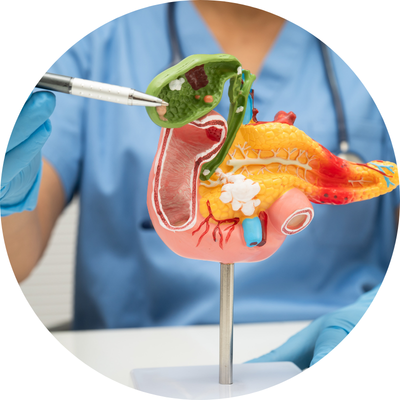
Rehabilitation
Germany has specialist rehabilitation centres offering structured recovery programs after neurological injury, surgery, critical illness, and major medical treatment. Services may include stroke and brain injury rehabilitation, physiotherapy, gait training, occupational and speech therapy, neuropsychological care, ventilator weaning, and spinal cord rehabilitation. Relevant providers include KLINIK BAVARIA Kreischa, Kliniken Schmieder, and Asklepios Klinik St. Wolfgang.
Leading Hospitals & Specialist Centres in Germany
University Medical Center Freiburg
University Hospital Essen
Charité Universitätsmedizin Berlin
Heidelberg University Hospital
Ulm University Hospital
Schön Klinik München Harlaching
- Urologische Klinik München Planegg – Urology
- Christliches Klinikum Paderborn – Cancer care
- Eifelklinik St. Brigida – Orthopaedic & spine surgery
- KLINIK BAVARIA Kreischa – Neurological rehabilitation (near Dresden)
- Kliniken Schmieder – Neurological rehabilitation (Baden-Württemberg)
- Asklepios Klinik St. Wolfgang – Rehabilitation (Bad Griesbach)
- OZA Orthopädie und Gefäß Zentrum Augsburg – Orthopaedics & sports medicine
- Zentrum Innere Medizin Fünf Höfe – Outpatient medical checkups (Munich)
Hospitals by Treatment
These centres can be considered for multidisciplinary cancer assessment. Suitability depends on cancer type, stage and previous treatment.
- University Medical Center Freiburg – Multidisciplinary cancer care including gastrointestinal, pancreatic, breast, lung, urological, gynecological and neurological cancers.
- University Hospital Essen – Cancer care through the West German Cancer Center, with hematology, oncology, stem cell transplantation and proton therapy assessment.
- Charité Universitätsmedizin Berlin – Organ-specific cancer programs, hematology services and selected advanced therapies for eligible patients.
- Heidelberg University Hospital – Relevant for complex cancer, pancreatic disease and assessment for proton or carbon-ion therapy.
- Ulm University Hospital – Relevant for leukemia, lymphoma, multiple myeloma, stem cell transplantation and cellular therapy assessment.
Specialist orthopaedic centres that can be considered for joint, sports and spine conditions, subject to specialist review.
- Schön Klinik München Harlaching – Hip, knee, shoulder, foot and ankle conditions, sports injuries, spine care, joint replacement and revision surgery.
- OZA Orthopädie und Gefäß Zentrum Augsburg – Conservative and surgical orthopaedics, arthroscopy, joint replacement, sports medicine and selected spinal procedures.
- Eifelklinik St. Brigida – Joint surgery, arthroscopy, spinal surgery, scoliosis assessment, trauma and reconstruction.
A specialist urology centre that may be relevant for both cancer and non-cancer urological conditions.
- Urologische Klinik München Planegg – Prostate, bladder, kidney and testicular cancer; benign prostate disease; urinary stones; incontinence; pelvic floor disorders; urethral and reconstructive urology.
University centres with neurology and neurosurgery services that may be relevant for complex or uncommon conditions.
- University Medical Center Freiburg – Epilepsy, multiple sclerosis, Parkinson disease, neuropathy, myasthenia, stroke-related complications and complex neurological disorders.
- Charité Universitätsmedizin Berlin – Specialist neurological and neurosurgical pathways for complex or uncommon conditions.
- Ulm University Hospital – Motor neuron and neuromuscular disorders, Parkinson disease, Huntington disease, epilepsy, multiple sclerosis, cognitive disorders and neuro-oncology.
Two German centres offer assessment for proton and particle therapy. Eligibility is assessed case by case.
- University Hospital Essen – West German Proton Therapy Center – specialist assessment for proton therapy where clinically appropriate.
- Heidelberg University Hospital – Heidelberg Ion-Beam Therapy Center – proton and carbon-ion therapy for selected cancers.
A specialist pathway for blood cancers and cellular therapy, subject to clinical acceptance before travel.
- Ulm University Hospital – Leukemia, lymphoma, multiple myeloma, myeloid disorders, stem cell transplantation and CAR-T therapy assessment.
A dedicated pancreas centre that may be relevant for complex pancreatic conditions.
- Heidelberg University Hospital – European Pancreas Center – pancreatic cancer, acute and chronic pancreatitis, neuroendocrine tumours, cystic tumours and IPMN.
Rehabilitation & Recovery Centres in Germany
KLINIK BAVARIA Kreischa
Kliniken Schmieder
Asklepios Klinik St. Wolfgang

Specialist Medical Checkups in Munich
Zentrum Innere Medizin Fünf Höfe
- Diabetes
- Thyroid disorders
- Hormonal conditions
- Gastroenterology
- Liver assessment
- Cardiovascular assessment
- Preventive checkups
- Nutrition & obesity counselling
How Emerge Medical Travel Helps You Choose the Right Hospital
Share Your Medical Records
Case Assessment
Hospital Coordination
Treatment Plan & Travel Coordination
What Makes Emerge Medical Travel the Preferred Choice for Treatment in Germany
- Personalized Treatment Planning – Every patient's condition is different. We help identify a suitable German hospital or specialist department according to the diagnosis, previous treatment and medical requirements.
- Hospital & Specialist Coordination – Our team helps submit medical records to relevant hospitals and coordinates communication regarding case assessment, treatment planning and hospital requirements.
- Support Before You Travel – We help patients understand the proposed medical pathway, expected hospital process and documents required before treatment-related travel arrangements are finalized.
- International Patient Assistance – Our team can assist with practical coordination around hospital communication, travel planning and other medical travel requirements.
- Complex Case Coordination – Patients requiring multidisciplinary treatment can be directed toward hospitals where several specialist departments can participate in assessment and treatment planning.

Lots of Question in your mind?
No, problem. We are here to answer all of them.
Germany has university hospitals, specialist clinics and rehabilitation centres treating a wide range of medical conditions. The appropriate provider depends on the patient’s diagnosis, previous treatment and required specialty.
Hospital selection should be based on the patient’s medical condition and the specialist expertise required. Emerge Medical Travel can help review the treatment requirement and identify relevant hospital pathways.
Depending on the condition, patients may be asked to provide:
- Medical reports
- Current diagnosis
- MRI or CT reports
- Imaging files
- Pathology or biopsy reports
- Laboratory results
- Previous surgery reports
- Previous treatment details
- Current medication information
Complex cases usually require more comprehensive records.
Yes. Specialist German rehabilitation providers offer neurological, postoperative and complex rehabilitation. Patients with significant nursing, respiratory or mobility requirements require an assessment before acceptance.
The required stay depends on the diagnosis and treatment. A consultation or diagnostic assessment may involve a shorter visit, while surgery, cancer treatment or rehabilitation may require a longer stay.
The treating provider should confirm the expected treatment and recovery period after reviewing the patient’s case.
In many cases, a companion can travel with the patient. Accommodation, hospital access and companion arrangements depend on the individual hospital and treatment plan and should be confirmed before travel.
Several German university hospitals, specialist clinics and rehabilitation centres treat international patients, including University Medical Center Freiburg, University Hospital Essen, Charité Universitätsmedizin Berlin, Heidelberg University Hospital, Ulm University Hospital and Schön Klinik München Harlaching. Which provider may be relevant depends on the diagnosis, previous treatment and specialist expertise required, and treatment suitability must be confirmed after specialist review.
Hospitals that can be considered for cancer assessment include University Medical Center Freiburg, University Hospital Essen, Charité Universitätsmedizin Berlin, Heidelberg University Hospital and Ulm University Hospital (for blood cancers and cellular therapy). Urologische Klinik München Planegg may be relevant for urological cancers. Suitability depends on the cancer type, stage, previous treatment and specialist review.
University Hospital Essen (West German Proton Therapy Center) and Heidelberg University Hospital (Heidelberg Ion-Beam Therapy Center, which also offers carbon-ion therapy) provide assessment for particle therapy. Particle therapy is not suitable for every cancer. Eligibility is case-specific and depends on tumour type, location, previous treatment and specialist review.
Schön Klinik München Harlaching, OZA Orthopädie und Gefäß Zentrum Augsburg and Eifelklinik St. Brigida may be relevant for joint, sports and spine conditions. Treatment suitability and clinical acceptance for complex surgery must be confirmed by the treating hospital before travel.
Emerge Medical Travel can review your diagnosis and medical records, identify the relevant specialty and hospital pathway, and coordinate submission of your records to an appropriate hospital or specialist team for evaluation. Any treatment recommendation is made by the treating hospital after its own review.
No. Every hospital must review the patient’s medical information and confirm whether it can accept the case. Hospital availability, treatment, cost and timing depend on individual assessment. This is consistent with the supplied provider guide. Pasted markdown

Need Assistance? We're Here to Help.
Our medical coordinators can assist you with personalized treatment coordination in Germany and help identify an appropriate hospital pathway based on your medical requirements.