
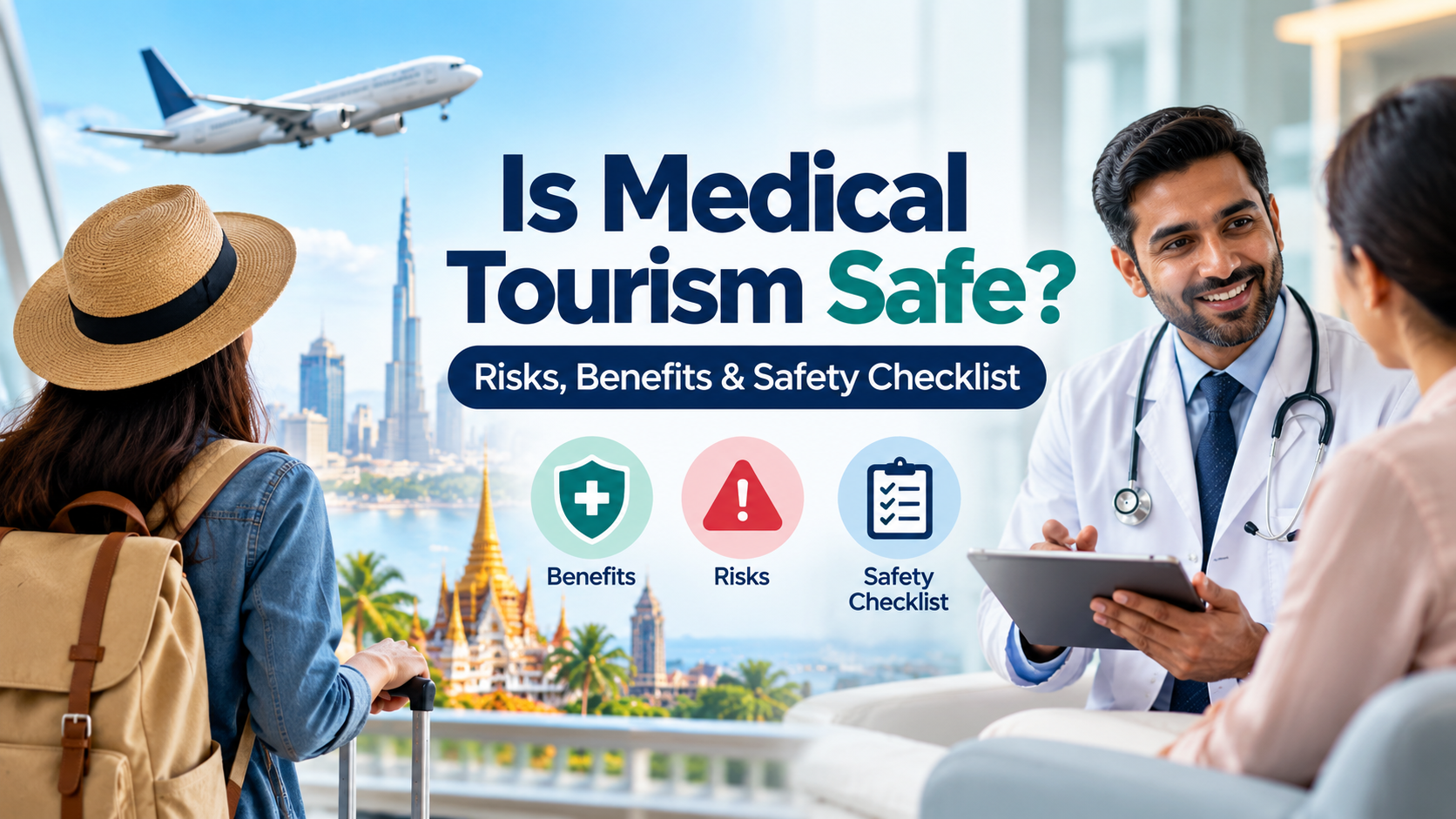
Medical tourism can be a viable solution for some patients; however, its safety involves several factors any of which need to be considered: the country of destination, hospital, treating clinician, procedure, infection control practices, post-treatment arrangements, etc. Patients coming from abroad should take all these factors into account before making the decision about undergoing treatment.
What Is Medical Tourism?
Medical tourism is when someone travels abroad for medical purposes. Patients travel abroad to receive treatment for various medical conditions, including cancer, organ transplants (e.g., bone marrow), surgical procedures, fertility treatment, heart surgery, etc. There are many considerations that go into deciding where to obtain treatment: availability, price, and medical experience of specialists, among others, but different patients have different needs that must be taken into account.
Why Do Patients Choose Medical Treatment Abroad?
Patients may be motivated to seek treatment abroad for a number of reasons, among them:
Lower costs | Access to experts | Availability of innovative treatments | Availability of hospitals in various countries | Lower waiting times
However, these advantages are not equally present in all countries or hospitals. Costs, presence of specialists, kinds of treatments and waiting times may differ widely. Therefore, patients should make comparisons between specific hospitals, doctors, procedures and the included services instead of relying on the overall information about a country in general.
Is Medical Tourism Safe?
It is impossible to give a clear yes-or-no answer to the question of whether medical tourism is safe or not. Patients should independently verify the clinician’s qualifications and the healthcare facility’s credentials or accreditation. Accreditation can provide useful information about a facility’s standards, but it does not guarantee a complication-free outcome. The CDC also recommends discussing follow-up arrangements, insurance coverage and potential complications before travelling.
What Are the Main Risks of Medical Tourism?
Infection and Resistance to Antimicrobials
Infection is a major complication associated with medical tourism and patients are also at risk of contracting infections from antibiotic-resistant pathogens. The CDC states that infection complications rank among the top concerns for medical tourists.
Healthcare Practices and Policies Differences
Healthcare practices, policies, and regulations differ around the world. Hence it is important to research facilities and physicians in advance and not take anything for granted.
Communication Problems
Language differences may cause a major barrier in communication about symptoms, medical history, medications, allergies, or treatment instructions. Before traveling, patients need to clarify how exactly communication will work with doctors.
Consequences After Returning
Once back home, the patients might encounter a complication that might require extended medical care.
Traveling After Surgery
A long journey immediately after surgery can lead to serious complications. Patients should consult medical professionals about traveling questions before booking the flight back.
Medical Tourism Safety Checklist
Before travelling for medical care, consider the following:
| Before You Travel | Check |
| Verify hospital credentials/accreditation | ✓ |
| Verify doctor’s qualifications | ✓ |
| Get your medical records reviewed | ✓ |
| Request a written treatment plan | ✓ |
| Understand total treatment costs | ✓ |
| Ask about infection-control practices | ✓ |
| Plan post-treatment follow-up | ✓ |
| Check insurance/medical evacuation coverage | ✓ |
| Keep copies of medical records | ✓ |
| Discuss when it is safe to fly home | ✓ |
The U.S. Centers for Disease Control and Prevention (CDC) recommends researching the clinician and facility, obtaining copies of medical records, arranging follow-up care and reviewing travel health and medical evacuation insurance before travelling abroad for medical care.
Red Flags When Choosing Treatment Abroad
Be wary of any supplier or facilitator who:
- Claims guaranteed success with treatment or any precise result
- Is unclear about medical qualifications of the personnel
- Cannot furnish acceptable details regarding the hospital or other medical institution
- Refuses to give a written plan for the therapy
- Strives to force you to pay immediately
- Provides a low quotation but does not give explanations as to the coverage of services
- Does not give information about potential complications and follow-up procedures
- Cannot present the right medical documents
However, a low quotation itself does not mean that a treatment can be regarded as unsafe.
Questions to Ask Before Booking Medical Treatment Abroad
You should ask yourself the following questions before making any arrangements:
- Who carries out the treatment and what qualification does he/she have?
- Is the hospital accredited or a recognized institution?
- How much does the treatment process cost?
- What happens in case of complications?
- How long will the trip last?
- What follow-up will be required after returning home?
- Finally, who will coordinate medical records and follow-up information?
If the answers are clear and clear, patients can compare and plan for various situations.
How Emerge Medical Travel Helps Patients Plan Treatment Abroad
The function of Emerge Medical Travel is to offer support to international patients in terms of organizing everything involved in getting medical help abroad. This could be anything from looking through medical records to assist doctors, scheduling consultations, organizing logistics related to the treatment, and even helping with traveling.
Emerge Medical Travel mainly facilitates communication between patients and healthcare providers. All medical decisions, diagnosis, and treatment recommendations are made by medical professionals.
FAQs
1. Is it risk-free to undergo a surgical procedure overseas?
Undergoing surgery elsewhere involves different risks, similar to surgery performed overseas. It also involves travel risks along with the risks of infection, the standard of healthcare available and postoperative care. Thus, before going abroad for surgery, one has to understand the hospital, the surgeon to be used, the operation he/she will carry out and follow-up care after the operation.
2. What are the best countries to undergo medical procedures?
One goes abroad because of availability of expertise for certain operations, costs and conditions of each individual patient. No one country can be seen as the best one for certain procedures and patients.
3. What is needed to check if a foreign hospital is reliable?
One needs to find out such factors as accreditation of the hospital by competent authorities and level of education and expertise of the doctor. One needs to obtain necessary information about the medical procedures.
4. What items need to be checked before going abroad for medical procedures?
One needs to check medical records, prices of the treatment and the ways of postoperative follow-up, health insurance coverage for medical problems, and documentation demonstrating health problems.