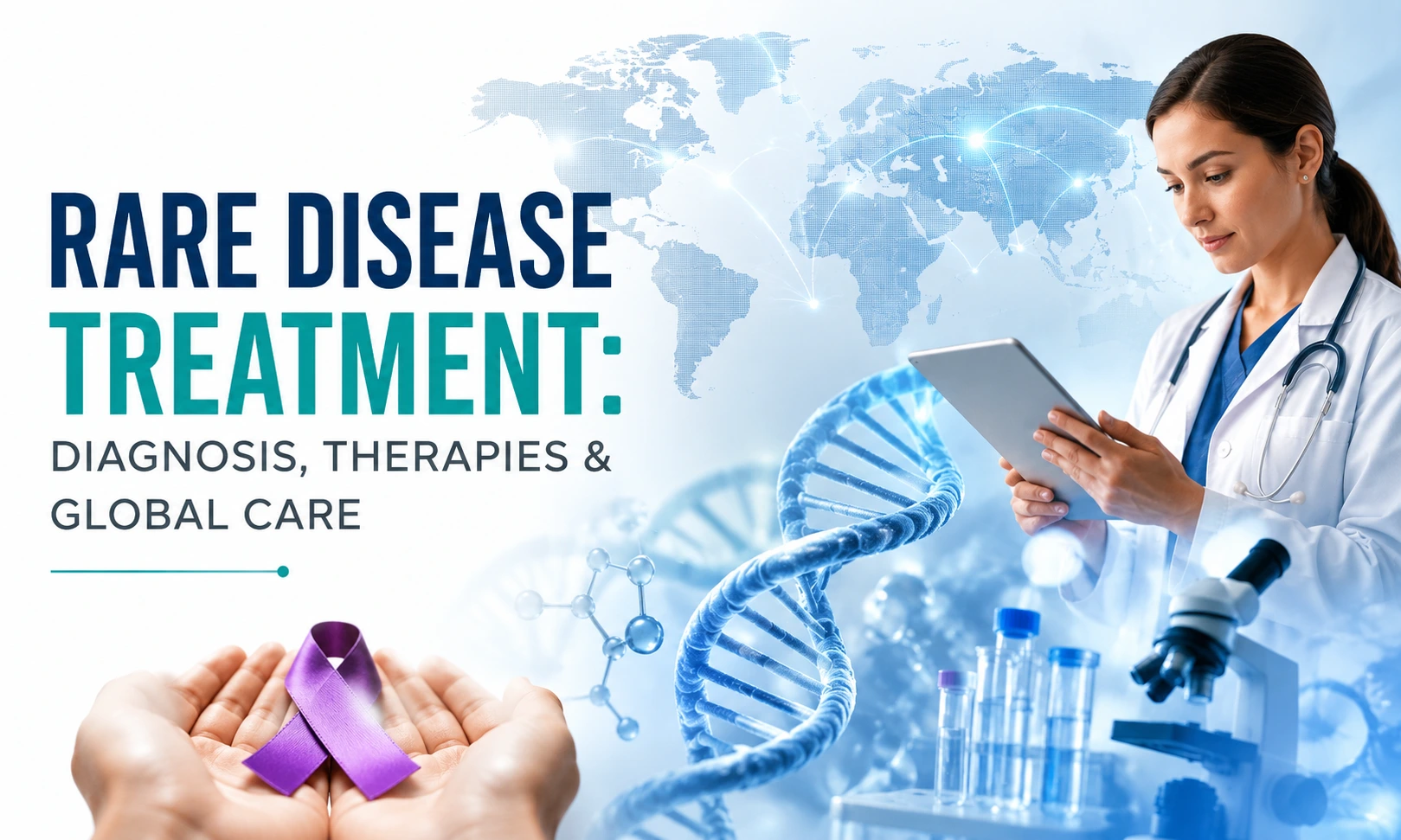
Even though any particular rare disease is diagnosed only in a few individuals, all combined rare diseases affect more than 300 million people around the world. There are about 7,000 known rare diseases that may affect both children and adults and thus need some special medical attention, because most of them are chronic, progressive, and even life-threatening.
It can be hard to diagnose a rare disease because the symptoms may be similar to those in other more common diseases. This means that most of the patients have to wait for a long time before getting the proper diagnosis by consulting several specialists, but fortunately, the development in medical science has made it possible to use new methods like gene therapy, precision medicine, enzyme replacement therapy, etc.
What Is a Rare Disease?
A rare disease refers to a medical condition that occurs in a limited number of people. The definition is not standard and differs from country to country. For instance, a disease is classified as rare if it occurs in fewer than 200,000 patients in the US and fewer than one person in 2,000 in the EU.
In spite of being individually rare, rare diseases make a significant part of healthcare issues. Approximately 70–80% of them are genetically based, while other rare diseases can be neurological, metabolic, autoimmune, congenital, and specific types of cancer.
Unlike other diseases, rare diseases are hard to diagnose since their symptoms are different and affect multiple organs. Patients need constant treatment and supervision by specialists who have experience in working with these diseases.
What Is Rare Disease Treatment?
Rare disease treatment means any treatment or management used to either treat, slow down, or manage a certain rare disorder. Due to the uniqueness of every disease, there is no universal treatment; instead, it changes from one individual to another based on their diagnosis, symptoms, age, general health, and level of disease severity.
Treatment can be medication, gene therapy, enzyme replacement therapy, rehabilitation, surgery, nutrition, or long-term symptom management. While some treatment tries to control the symptoms, other types of treatment try to manage the disease’s causes.
The treatment requires a team of different specialists who can help the patient, such as a geneticist, neurologist, metabolic specialist, cardiologist, rehabilitation medicine physician, pediatrician, etc. Monitoring the disease’s progress is essential.
The Importance of Early Diagnoses
Early diagnosis is one of the most crucial aspects of rare disease treatment. The symptoms of the diseases resemble symptoms of some other diseases, which makes it hard to get the right diagnosis. It might be difficult to diagnose, and this could lead to irreversible damage or complications before the treatment starts. Genetic and molecular diagnostic techniques have become increasingly effective in diagnosing various rare genetic diseases in order to provide proper diagnosis and individualized treatments.
Advanced Treatment for Rare Diseases
Medical sciences have changed the treatment paradigm of many rare diseases as they have produced therapies that not only treat the symptoms of disease but target its root cause.
Gene Therapy
Gene therapy involves modification or replacement of defective genes causing specific inherited diseases. Gene therapy has proven very effective in treating some selected rare diseases such as Spinal Muscular Atrophy (SMA).
Cell Therapy
Cell therapy is another method of treatment that involves the use of certain cells like stem cells and immune cells to repair or regenerate tissues or organs in the body.
Precision Medicine
Precision medicine involves the selection of treatment options based on the genetic or molecular makeup of a patient.
Targeted Drug Therapy
Targeted drugs act on specific proteins responsible for causing the disease or inhibit some of their biological processes. They can be utilized for the treatment of rare genetic conditions and rare cancers.
Enzyme Replacement Therapy
In case an enzyme deficiency causes an inherited metabolic disorder, enzyme replacement therapy provides a substitute enzyme not produced naturally in a person’s body. It is often used for Pompe disease, Gaucher disease, and Fabry disease.
Immunotherapy
Rare autoimmune diseases and rare cancers may be effectively treated with the help of immunotherapy because it enhances the recognition of harmful cells by the immune system.
Common Rare Diseases That May Benefit from Advanced Treatments
The following rare diseases may be effectively treated now by means of advanced technologies and drugs:
- Spinal Muscular Atrophy (SMA) – Gene therapy and disease-modifying drugs.
- Duchenne Muscular Dystrophy (DMD) – Genetic treatments, medicines, rehabilitation.
- Pompe Disease – Enzyme replacement therapy.
- Gaucher Disease – Enzyme replacement and substrate reduction therapy.
- Fabry Disease – Enzyme replacement therapy and oral medication.
- Amyloidosis – Targeted drug treatment.
- Wilson Disease – Medications to remove copper and prevent damage.
- Huntington’s Disease – Treatment and disease-modifying research.
- Rare Cancers – Precision medicine, targeted therapy, and immunotherapy.
Warning Signs That You May Need a Rare Disease Specialist
If you have any of the following signs, you may need a rare disease specialist:
- Undiagnosed symptoms
- Consultations with various specialists without a proper diagnosis
- Family history of genetic disorders
- Neurological or muscular weakening
- Metabolic problems without an identifiable cause
- Rare developmental problems or pediatric diseases
- Various organ involvement without a known cause
Getting a specialist’s opinion will help you get an early diagnosis and make it easier for you to get advanced treatment options.
How Rare Diseases Are Diagnosed
The diagnosis of rare diseases always involves a thorough evaluation and consultation with several specialists. The following are some of the steps that are done in the diagnostic process:
- Full medical history
- Medical examination
- Genetic analysis
- Blood and metabolic tests
- Imaging methods like MRI, CT, or PET when necessary
- Biopsy in certain cases
It will help to make the right diagnosis and create an effective treatment plan.
Global Care Options for Rare Disease Patients
Several nations have special centers that deal with rare diseases, where one gets the opportunity to get a proper diagnosis, advanced treatment options, and multidisciplinary care. This center gives patients opportunities to undertake genetic tests, consult specialists, receive innovative therapies, undergo rehabilitation therapy, and participate in clinical trials where applicable.
When visiting foreign countries for treatment, one will find the most appropriate experienced centers from which to get the best experience in terms of expertise and treatment, as well as management of the disease.
How Does Emerge Medical Help Patients with Rare Diseases?
Emerge Medical helps patients in various aspects of the treatment process, including coordinating the patient with appropriate specialists, reviewing medical records, hospitalization, treatment plan creation, travel arrangements, appointments, and after-care procedures.
Conclusion
While rare diseases are not so common on their own, together they affect millions of people around the world. Due to the complexity and difficulty in diagnosing rare diseases, prompt identification and evaluation by a specialist are crucial. Developments in gene therapy, precision medicine, enzyme replacement therapy, and other specialized forms of treatment have been making lives better for those who had no treatment before.
If you suspect a rare disease yourself or your relative is suffering from it, it would be useful to consult a professional multidisciplinary team in order to figure out what kinds of tests should be conducted and how treatment should be personalized.
Frequently Asked Questions
What is considered a rare disease?
Rare diseases are those diseases that affect few people, although this depends on the definition in different countries.
Can rare diseases be cured?
Some rare diseases can be cured or effectively treated, while others can be managed to slow progression and improve quality of life.
What is the latest treatment for rare diseases?
Gene therapy, precision medicine, enzyme replacement therapy, drug therapy targeting particular diseases, cell therapy, and immunotherapy are the new treatments.
Is gene therapy applied to rare diseases?
Yes. Gene therapy can treat some rare diseases of a hereditary nature.
How can you diagnose rare diseases?
The diagnosis is usually done by means of medical history, physical examination, genetic screening, imaging, blood tests, and consultation with specialists.
Where can patients get rare disease treatment?
The treatment for rare diseases is usually provided in specialized rare disease centers and tertiary hospitals.
Are all rare diseases genetic?
No. Although the majority of rare diseases have a genetic background, there are those that have autoimmune, metabolic, or infectious origins or unknown etiology.
Can children develop rare diseases?
Yes. The vast majority of rare diseases manifest themselves at birth or during childhood, but some diseases develop in adulthood.